SEO, AEO & GEO, explained
Playbooks to rank on Google and get cited by AI search — from the team building the engine.
What Is AEO? Answer Engine Optimization, Explained
Answer Engine Optimization is how you get picked as the answer, in Google snippets and in ChatGPT. Here is what it is and how to do it.

GEO: How to Get Cited by ChatGPT, Gemini & Perplexity
AI assistants recommend brands every day. Generative Engine Optimization is how you become one of the sources they quote.

The Technical SEO Checklist That Still Moves Rankings in 2026
Skip the 200-point audits. These are the technical fixes that actually change what Google and AI search do with your site.
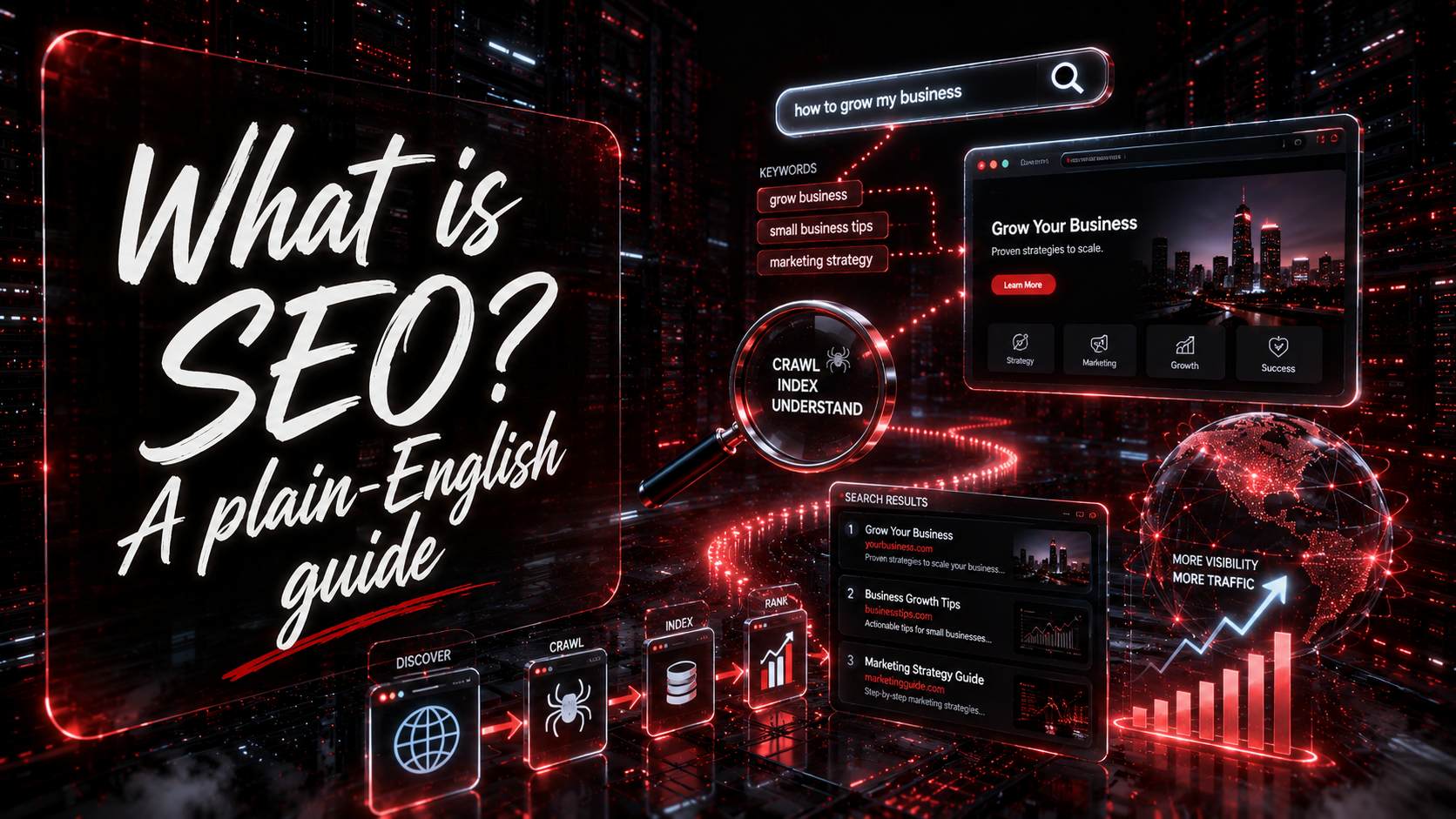
What is SEO? A plain-English guide
A jargon-free explanation of what SEO is, how search engines rank pages, and the first steps to getting found on Google.

How Google search actually works
A clear walkthrough of how Google crawls, indexes, and ranks pages, plus why your page might not be showing up.

On-page SEO: the complete guide
Everything on-page that helps a page rank: titles, headings, keywords, intent, and internal links, with the common mistakes to avoid.
Off-page SEO explained
How reputation and backlinks shape your rankings, what makes a link worth having, and how to earn authority the honest way.
Keyword research: a practical guide
A practical walkthrough of finding keywords, reading search intent, judging difficulty, and turning your list into content that ranks.
How to do keyword research for free
A step-by-step method for free keyword research using Google Autocomplete, People Also Ask, and Search Console, no paid tools needed.
SEO for startups: where to start with no budget
A no-budget SEO plan for startups: pick a niche, publish pages that answer buyer questions, and build a foundation that compounds while you focus on product.
Small business SEO guide
A practical SEO guide for small businesses: rank for the searches your local buyers make, fix your Google Business Profile, and win customers without a big agency budget.
Ecommerce SEO: the complete playbook
The complete ecommerce SEO playbook: structure your category and product pages, fix crawl and index issues at scale, add structured data, and earn links that sell.
SaaS SEO: a growth playbook
A SaaS SEO growth playbook: build topic clusters around the problems your product solves, rank for high-intent bottom-funnel searches, and tie content to signups and revenue.
Enterprise SEO: scaling to thousands of pages
Enterprise SEO for large sites: manage crawl budget and templates at scale, use programmatic pages responsibly, coordinate across teams, and prioritise fixes by impact.
Local SEO: how to rank in your city
A practical local SEO guide to ranking in your city: win the map pack with Google Business Profile, keep citations consistent, earn reviews and local links, and build location pages.
SEO vs SEM: which should you invest in?
SEO builds free traffic slowly and compounds. SEM buys visibility instantly but stops when you stop paying. Here is how to choose, or run both.
How long does SEO take to work?
Most sites see meaningful movement in three to six months and stronger results by month twelve. Here is what drives the timeline and how to speed it up.
How much does SEO cost in 2026?
SEO ranges from a few hundred dollars a month for freelancers to five figures for enterprise agencies. Here is what drives the price and how to spend wisely.
11 common SEO mistakes and how to fix them
From blocking Google by accident to chasing keywords you can never win, these eleven mistakes quietly kill rankings. Each one comes with a fix.
How to do an SEO audit, step by step
A good SEO audit finds what is stopping your site from ranking before you spend on new content. Here is the exact order to work through it.
How to win featured snippets
Featured snippets are the answer box above the results. Win them by answering the question directly in the first sentence and structuring the page to be quoted.
How to show up in People Also Ask
People Also Ask boxes quietly pull clicks from the top of Google. Here is how to find the right questions and structure answers that win a spot in the box.
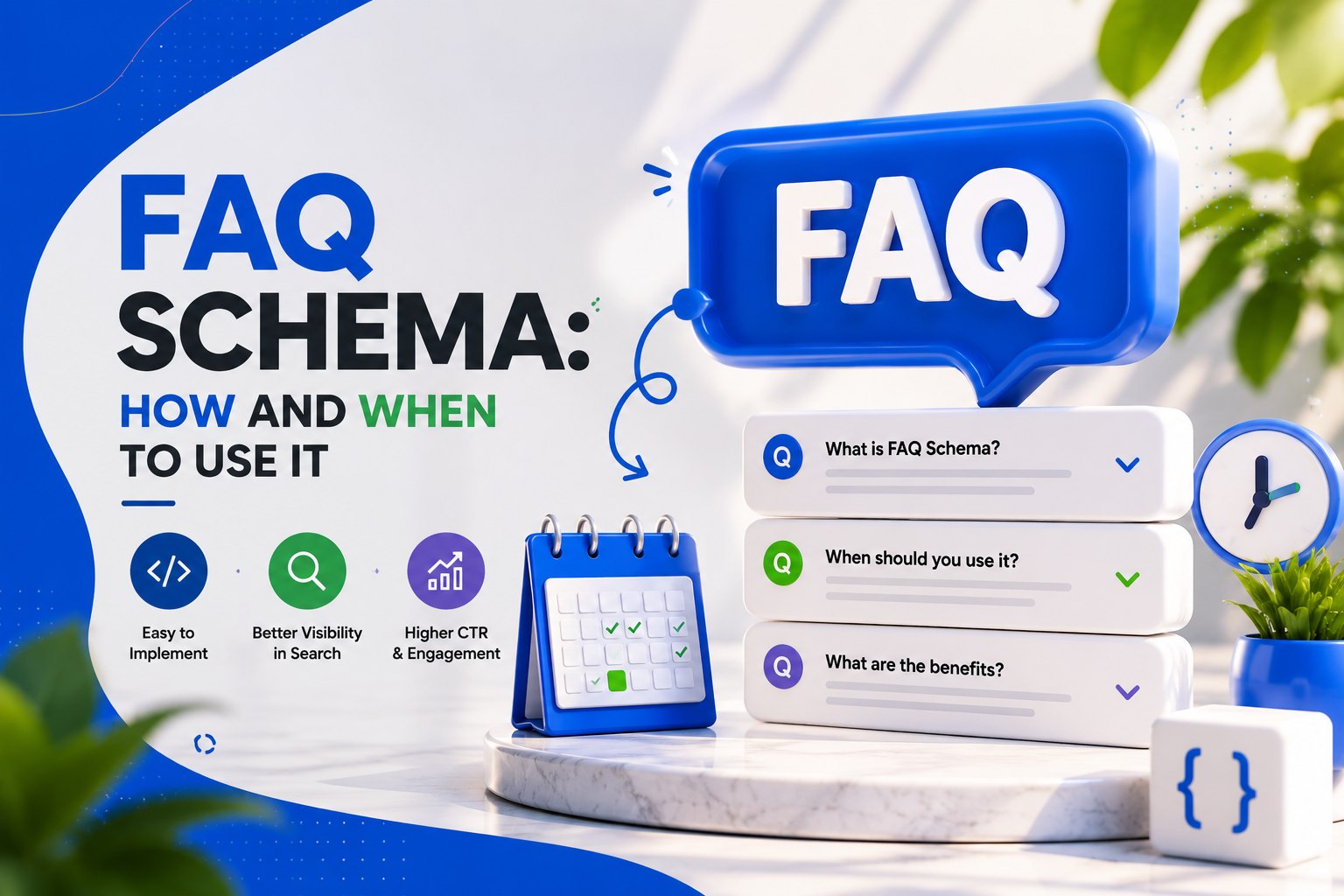
FAQ schema: how and when to use it
FAQ schema is not dead. Here is what it does, when it still helps for SEO and AI answers, when to skip it, and how to add the markup without mistakes.
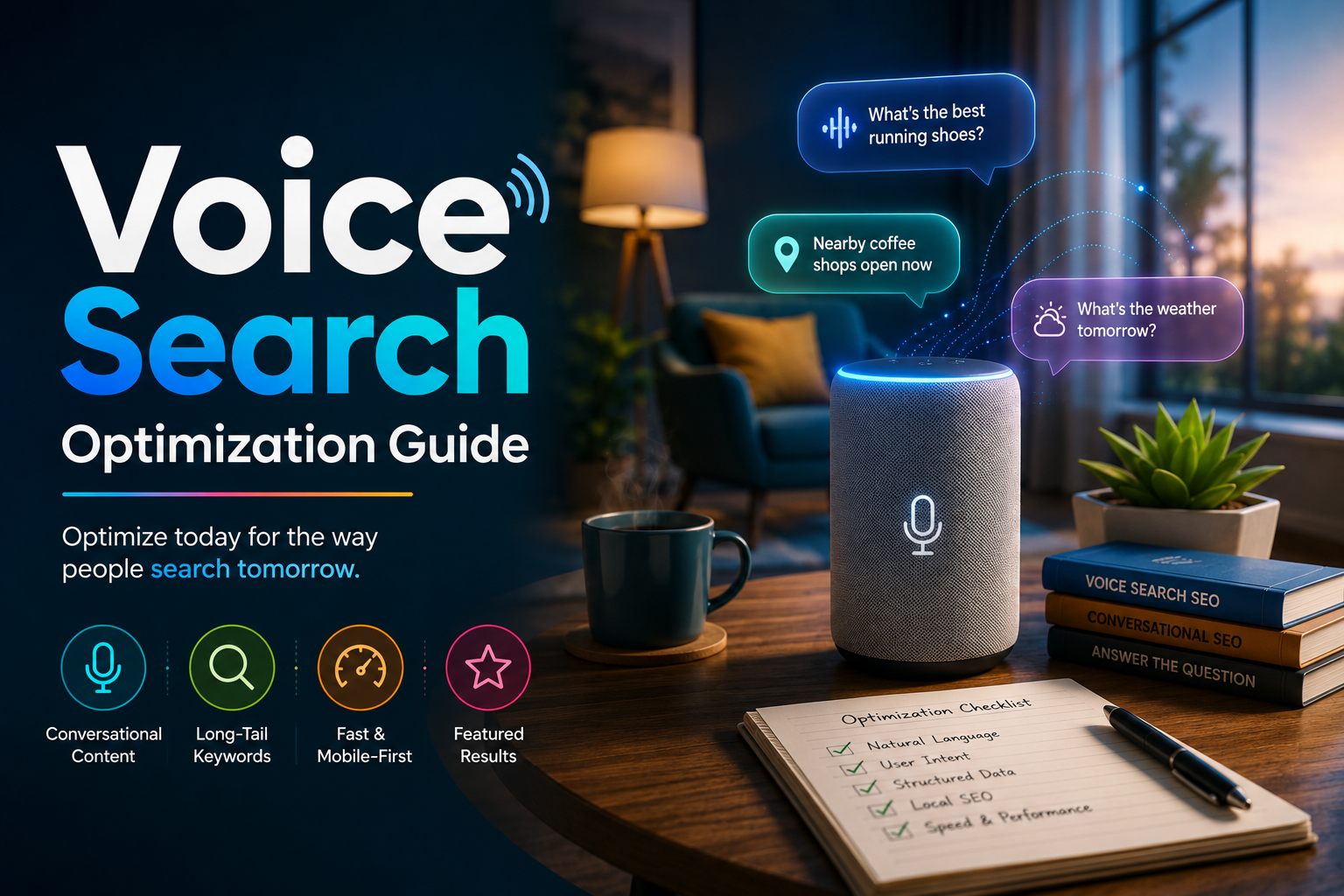
Voice search optimization guide
Voice search returns one spoken answer, not a list. Here is how voice search optimization works: write like people talk, answer fast, and win the single result.

How to get your brand mentioned in ChatGPT
Your buyers ask ChatGPT for recommendations and it names brands. Here is how to earn a mention through clear content, third-party sources, and consistent facts.
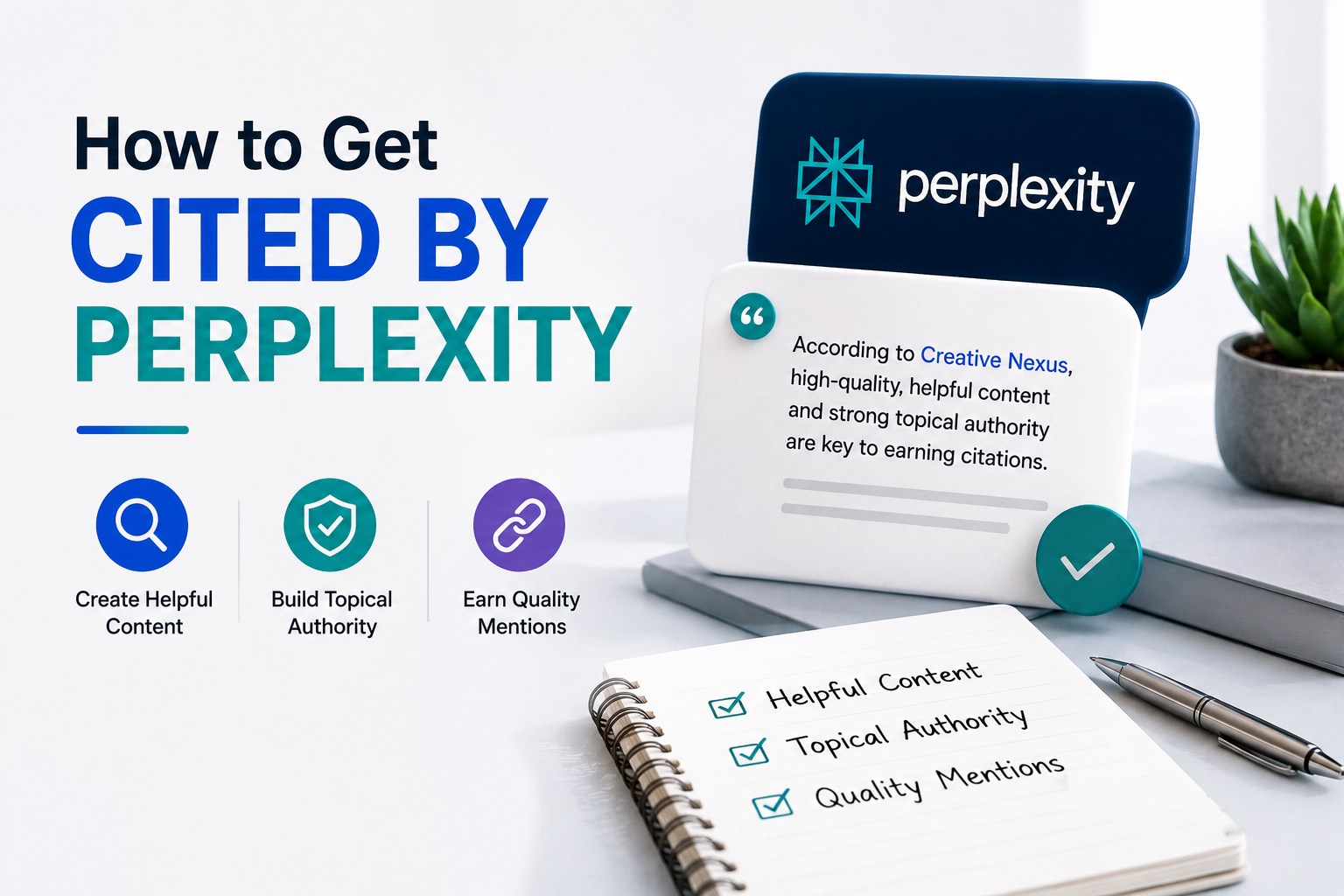
How to get cited by Perplexity
Perplexity cites sources inside its answers. Here is how to get cited by Perplexity with direct answers, fresh factual pages, and a crawlable, trusted site.
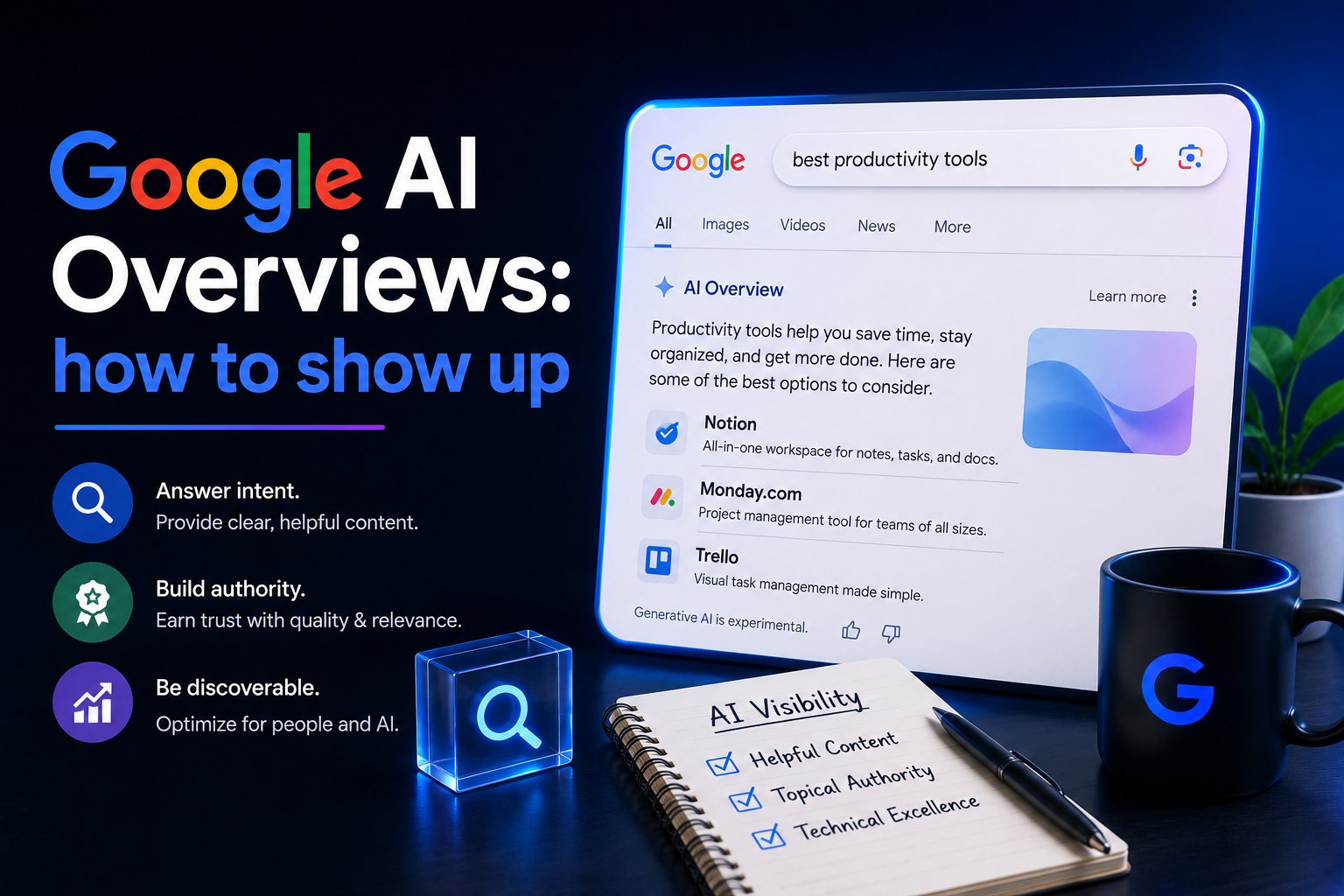
Google AI Overviews: how to show up
Google AI Overviews answer queries before the blue links. Here is how to show up as a cited source with strong rankings, clear answers, and real expertise.

What is llms.txt and how to write one
llms.txt is a plain text file that hands AI models a curated map of your best pages. Here is what it does, how to write one, and whether it moves the needle.

AI search statistics for 2026
An honest read on where AI search is heading in 2026, what the trends actually mean for your traffic, and which numbers to verify yourself before you quote them.

GEO for B2B SaaS: getting cited where buyers ask
B2B software buyers now ask ChatGPT and Perplexity for shortlists. GEO for B2B SaaS is how you become the tool the AI names. Here is the playbook.
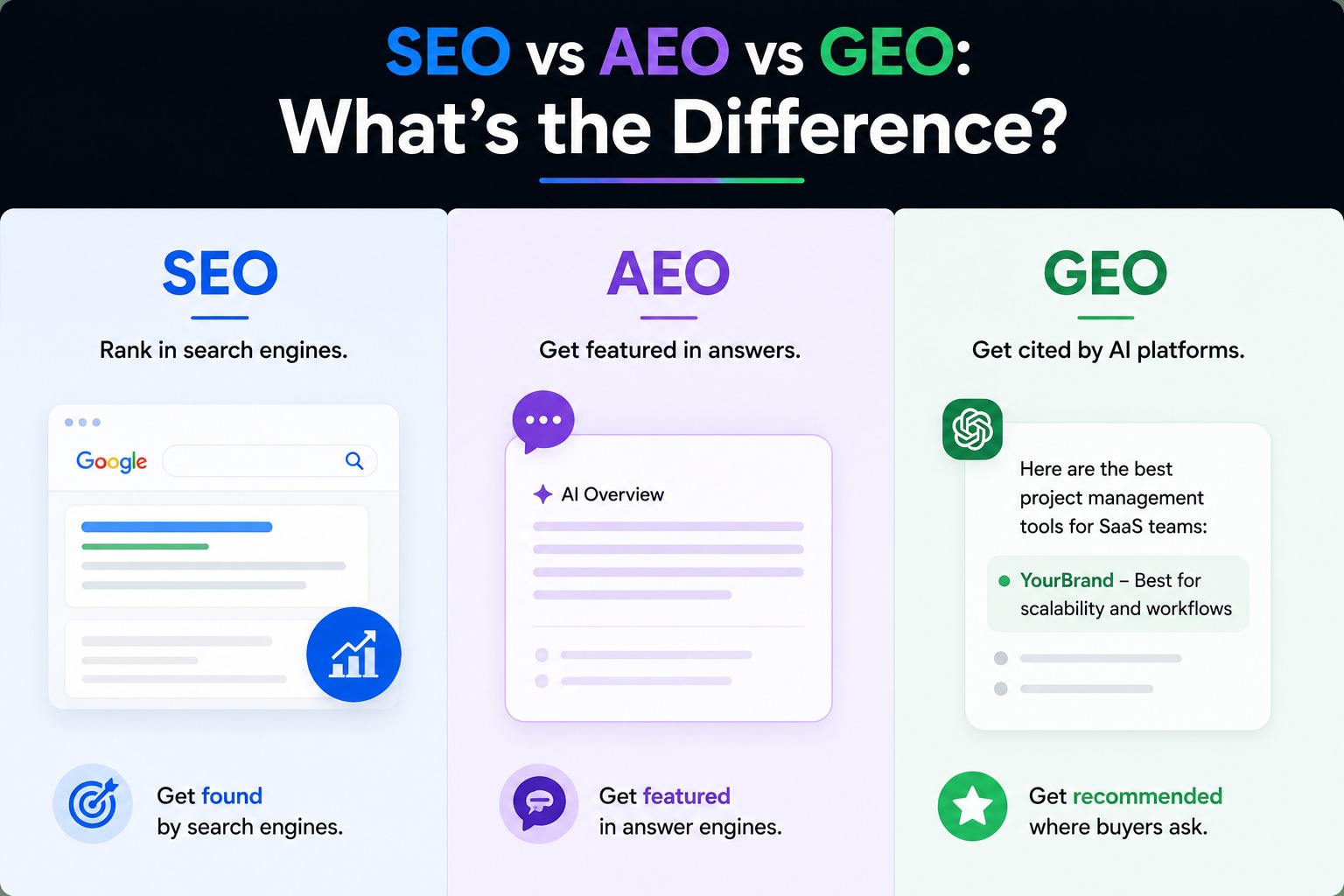
SEO vs AEO vs GEO: what's the difference?
SEO, AEO and GEO get blended into buzzwords. Here is the plain difference between them, when each matters, and how they stack into one content plan.
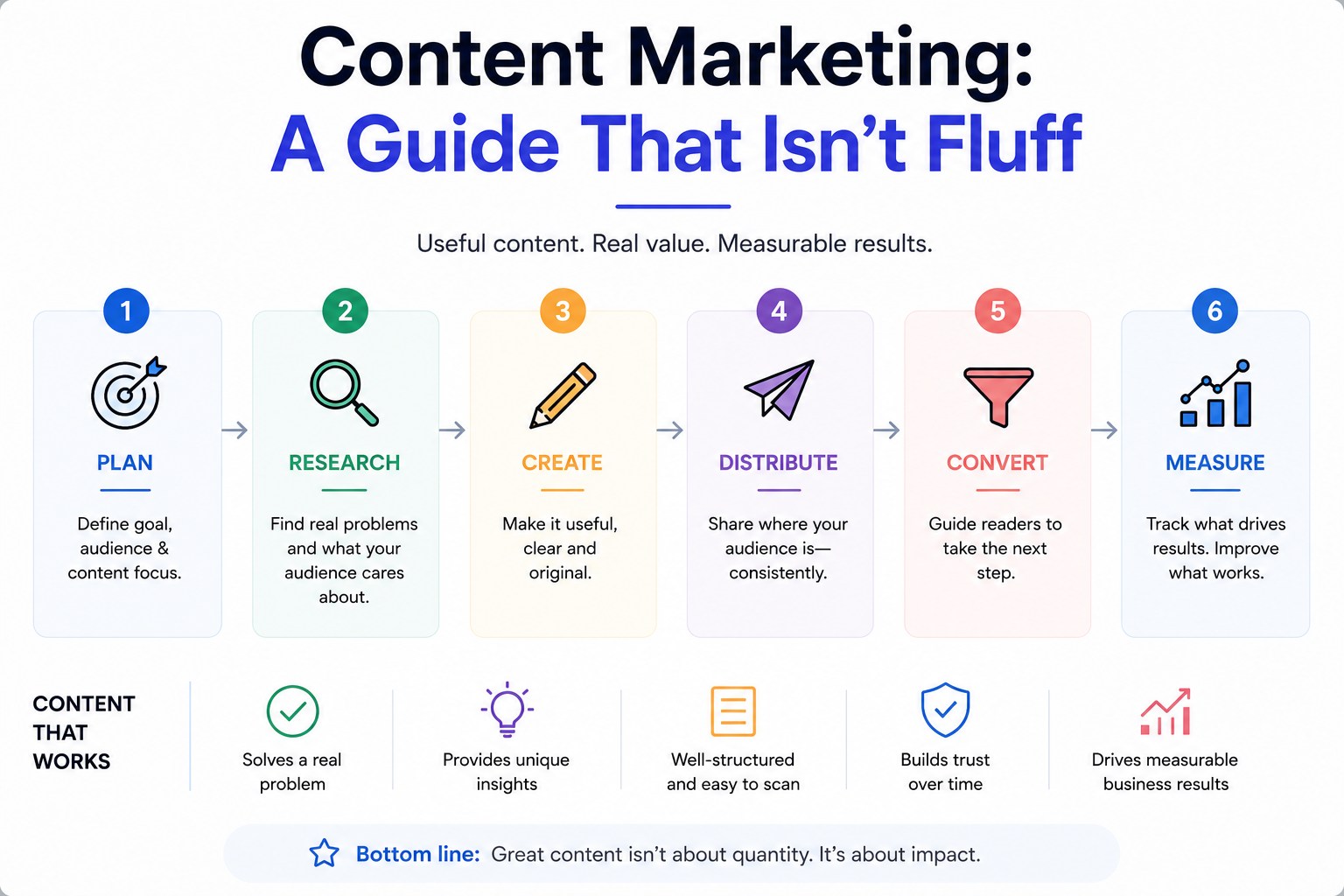
Content marketing: a guide that isn't fluff
Most content marketing advice is recycled fluff. This guide covers what actually drives results: strategy, useful content, distribution and honest measurement.

How to write a blog post that ranks
Ranking is not luck. Here is the repeatable process to write a blog post that ranks in search and gets cited by AI, from intent to structure to internal links.
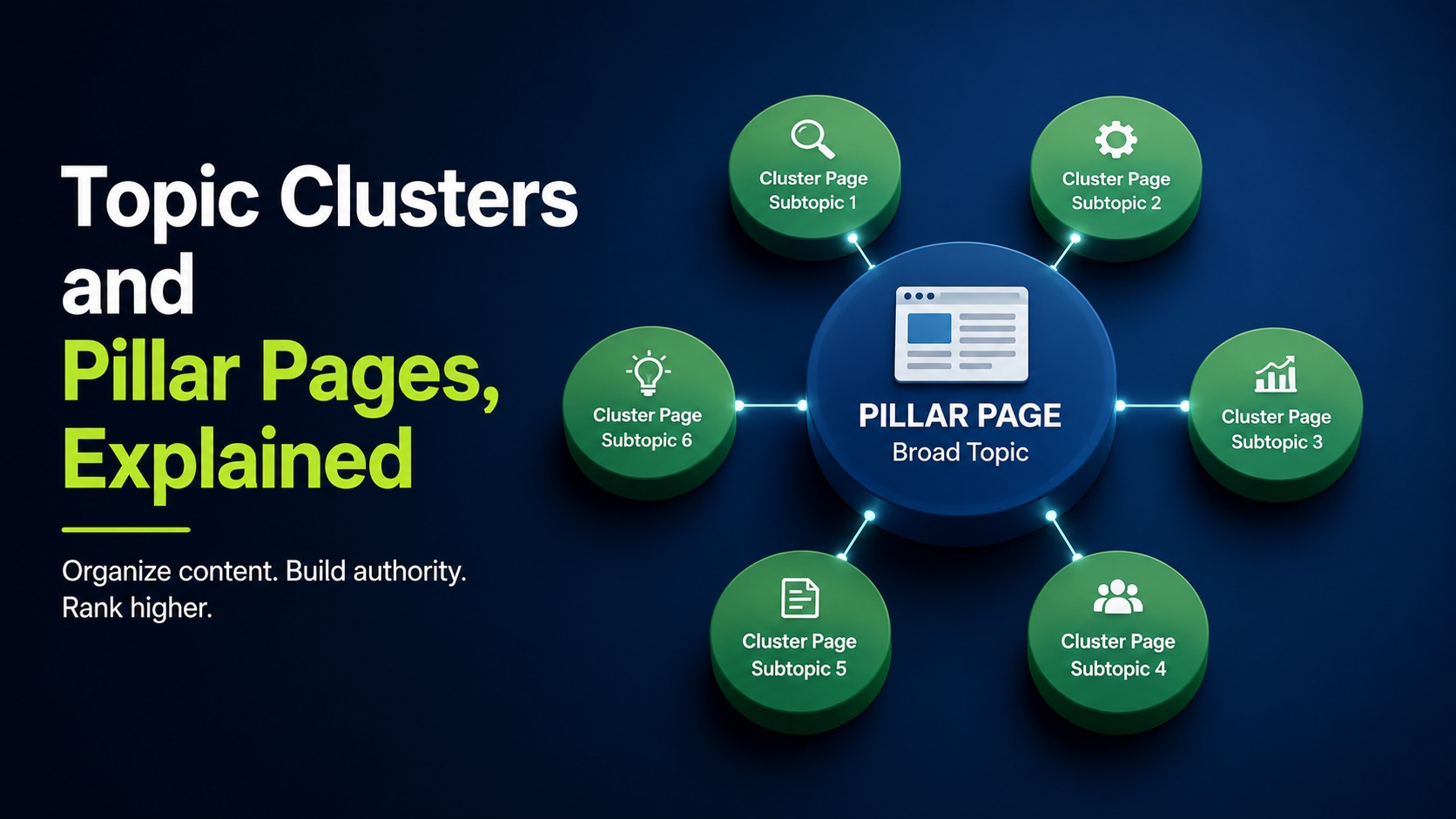
Topic clusters and pillar pages, explained
A pile of unrelated posts confuses Google about what you're an authority on. Topic clusters fix that. Here's how to build one from scratch.
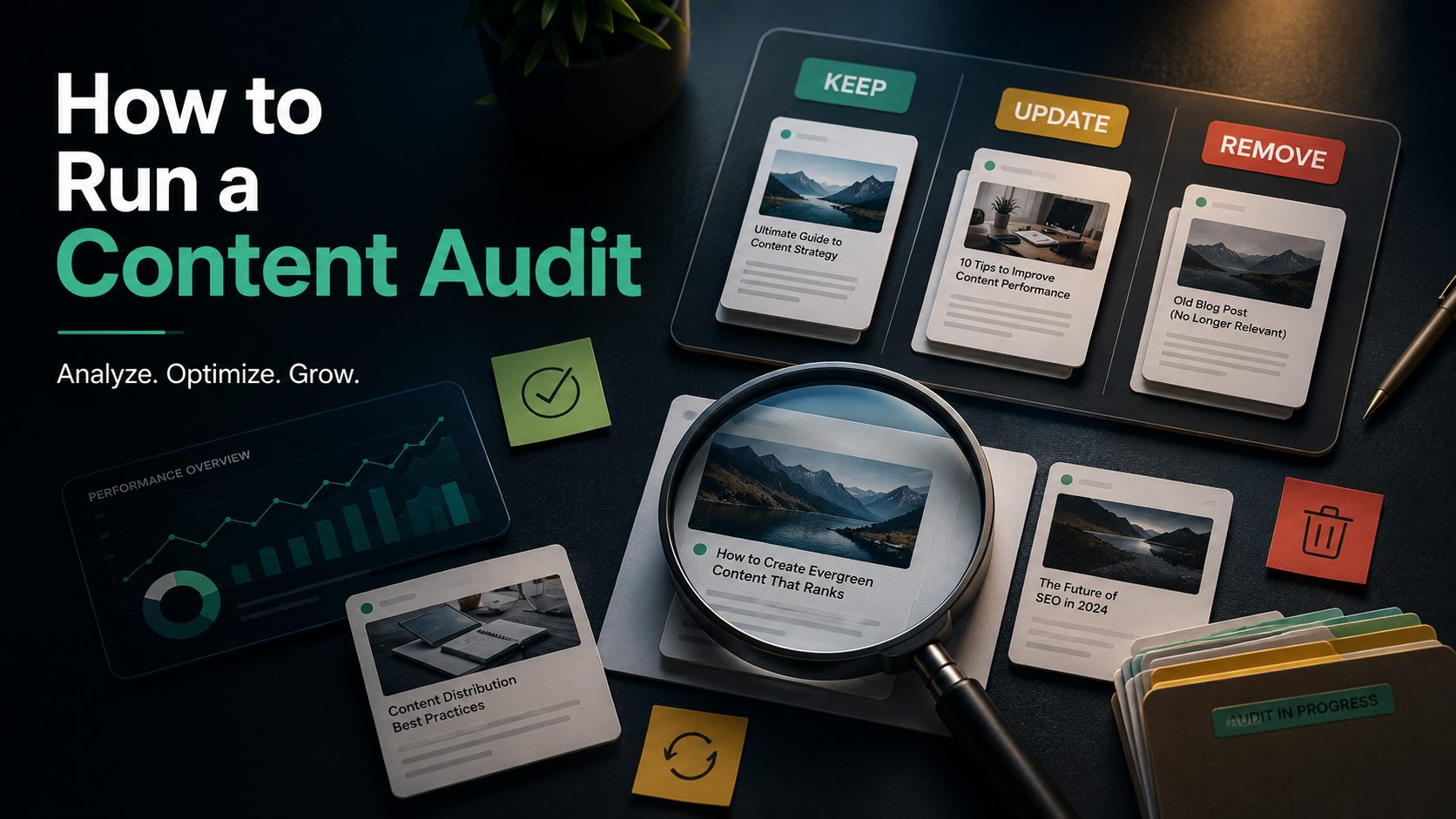
How to run a content audit
Old posts quietly drag your whole site down. A content audit tells you what to keep, fix, merge, or delete. Here's the process I actually use.
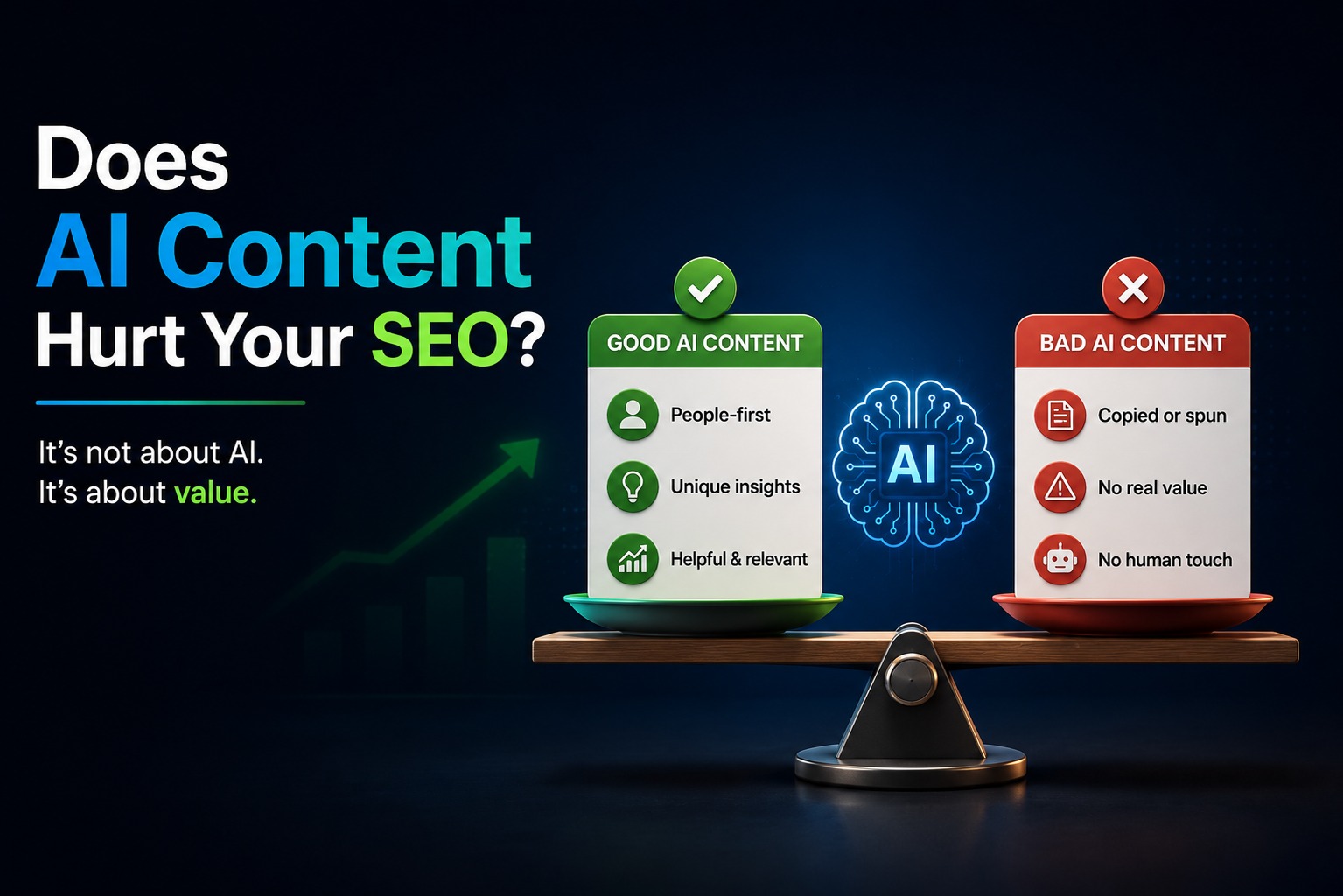
Does AI content hurt your SEO?
Everyone's asking whether AI-written posts tank your rankings. The honest answer is more useful than the yes-or-no you were hoping for.

How to humanize AI-written content
You can spot AI writing a mile off. So can your readers. Here's how to strip the tells and make a draft sound like an actual person wrote it.
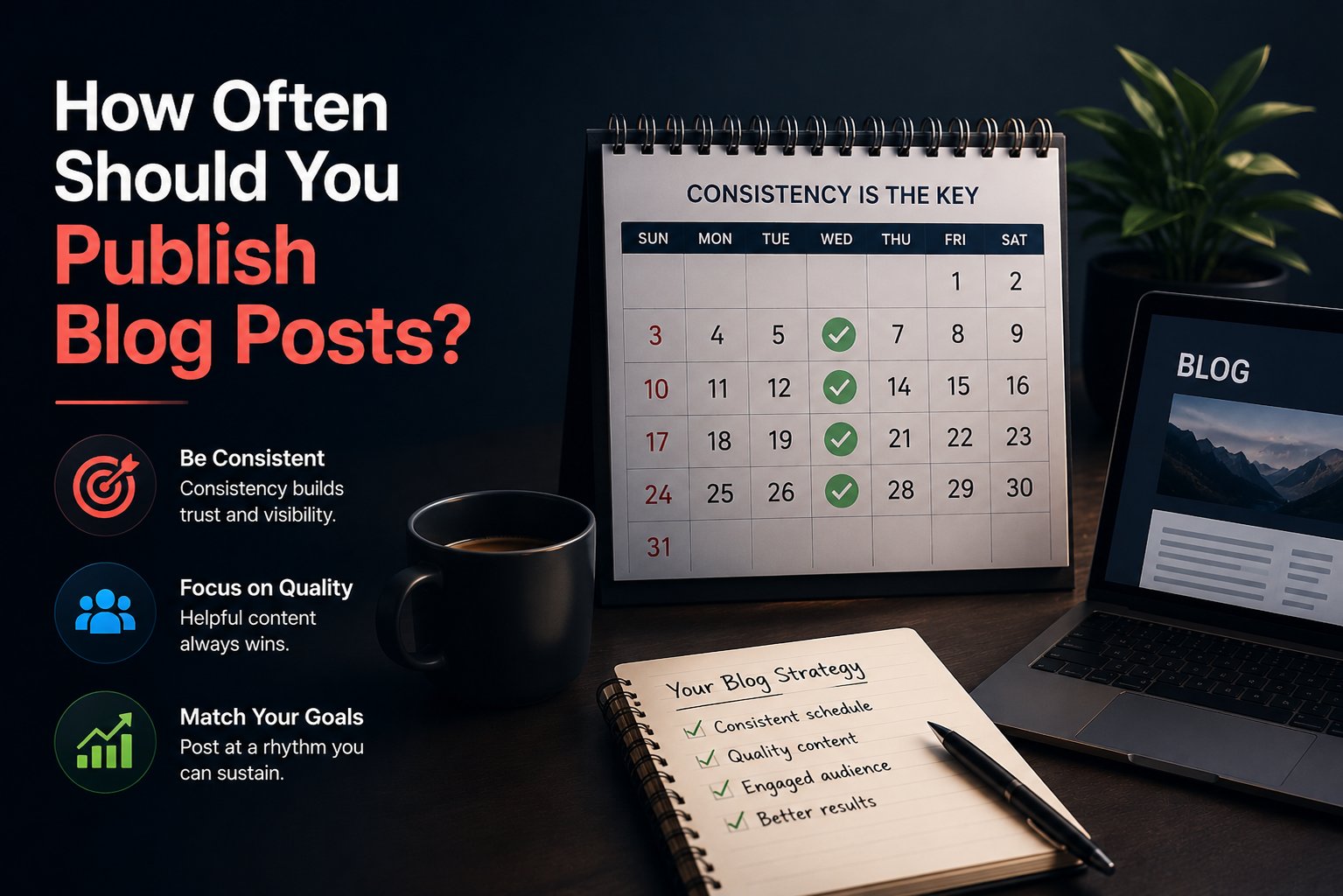
How often should you publish blog posts?
Twice a week? Daily? Once a month? The honest answer isn't a number, and chasing the wrong one is how good blogs burn out.
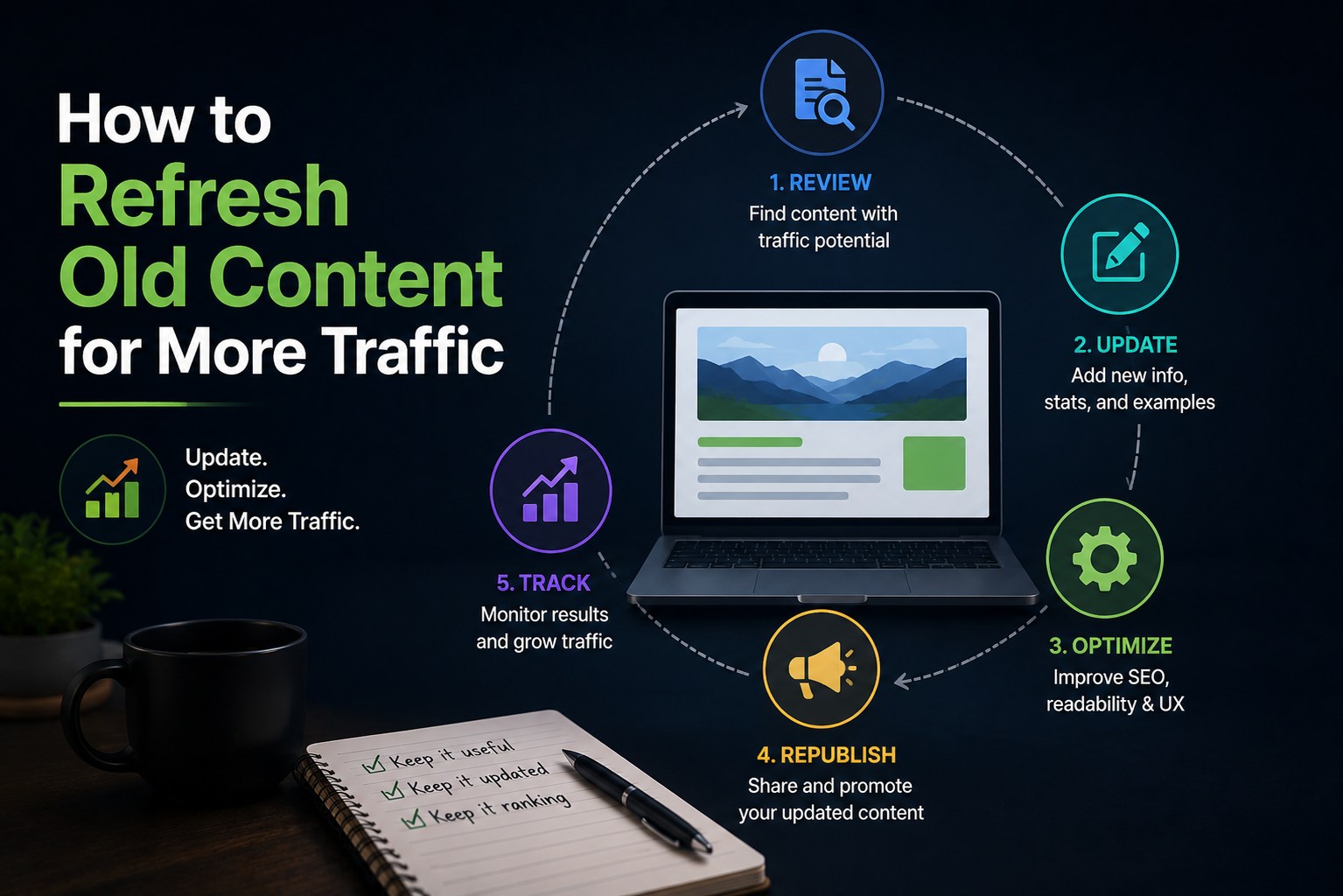
How to refresh old content for more traffic
Your fastest traffic wins aren't new posts. They're the ones you already published and forgot about. Here's how a content refresh works.

Link building in 2026: what still works
Most old link building tricks are dead or dangerous. Here is what still earns links Google respects, and the shortcuts that quietly sink sites.
How to get backlinks: 10 real tactics
Ten backlink tactics that actually earn links in 2026, with no link buying, no private networks, and no spam. Practical steps you can start this week.
Broken link building, step by step
Broken link building earns links by fixing what is already broken. Here is the full process: find dead links, build the right page, and pitch the swap.
Digital PR for links and authority
Digital PR earns links and trust by giving journalists real stories. Here is how to build data, angles, and pitches that land coverage worth ranking for.
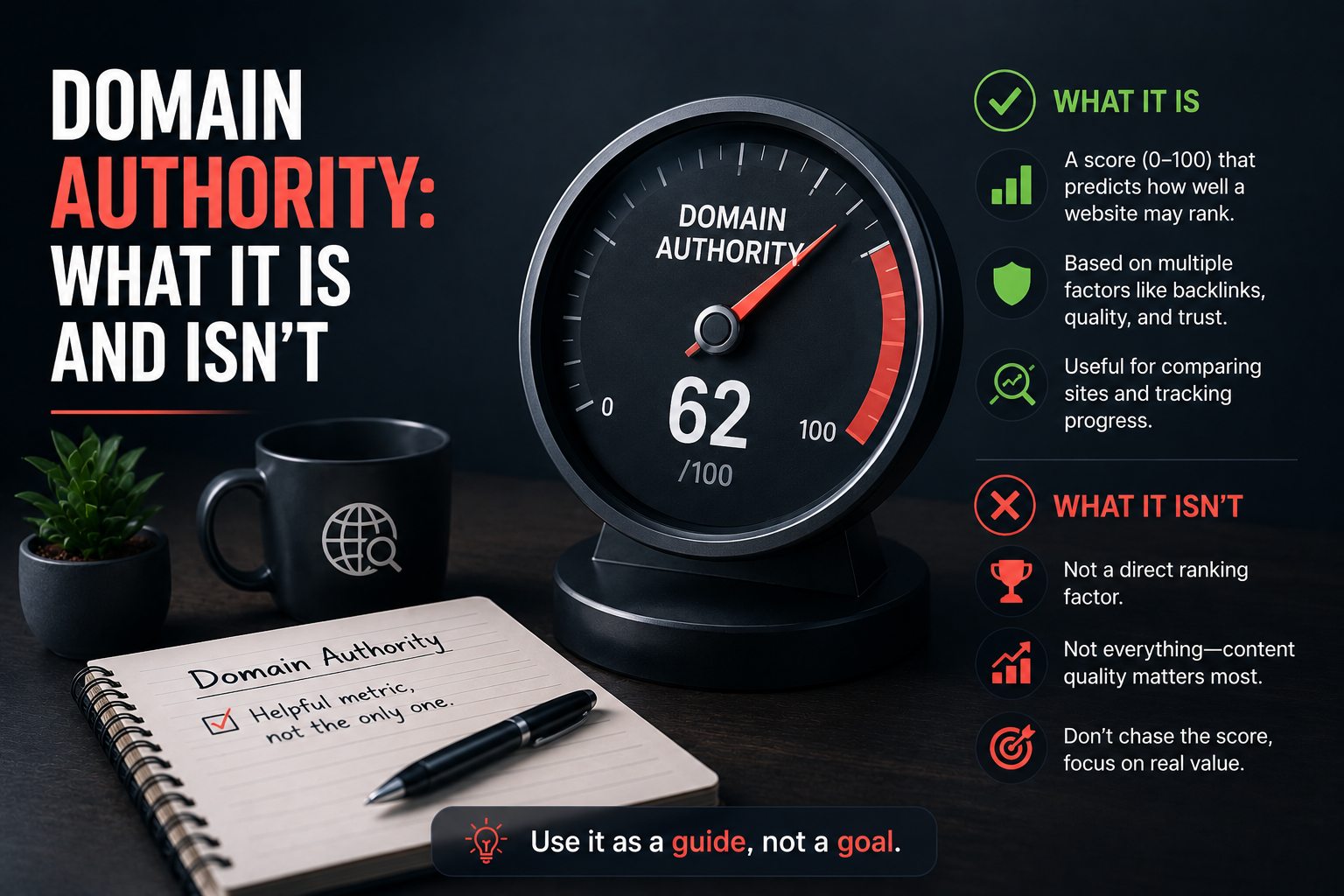
Domain authority: what it is and isn't
Domain authority is a third-party score, not a Google ranking factor. Here is what it really measures, when it helps, and when it quietly misleads you.
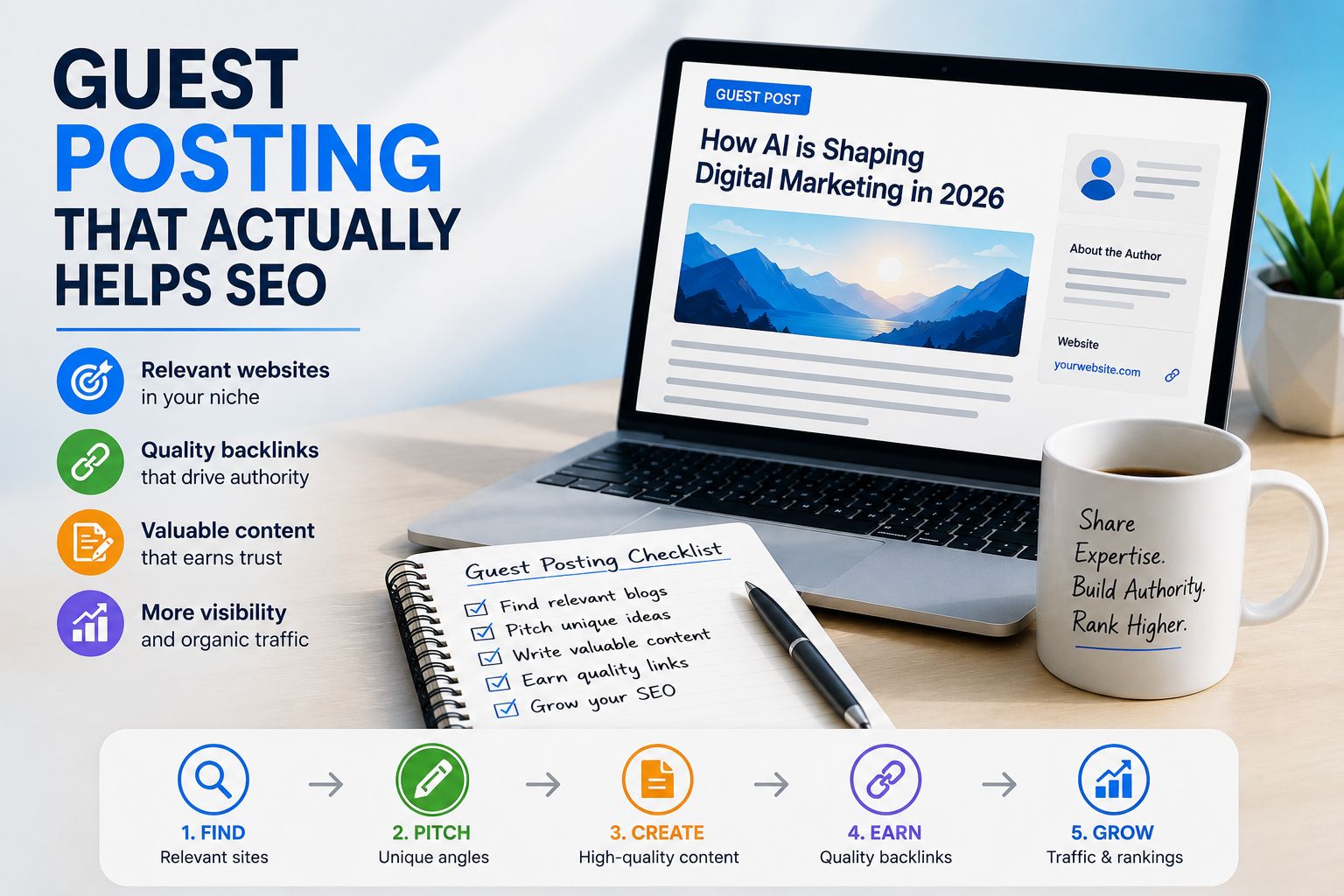
Guest posting that actually helps SEO
Guest posting still helps SEO when you do it for real audiences on relevant sites. Here is how to pitch, write, and place links without touching spam.

Core Web Vitals: a practical guide
What LCP, INP, and CLS actually measure, the scores to aim for, and the specific fixes that stop page speed from holding your rankings back.
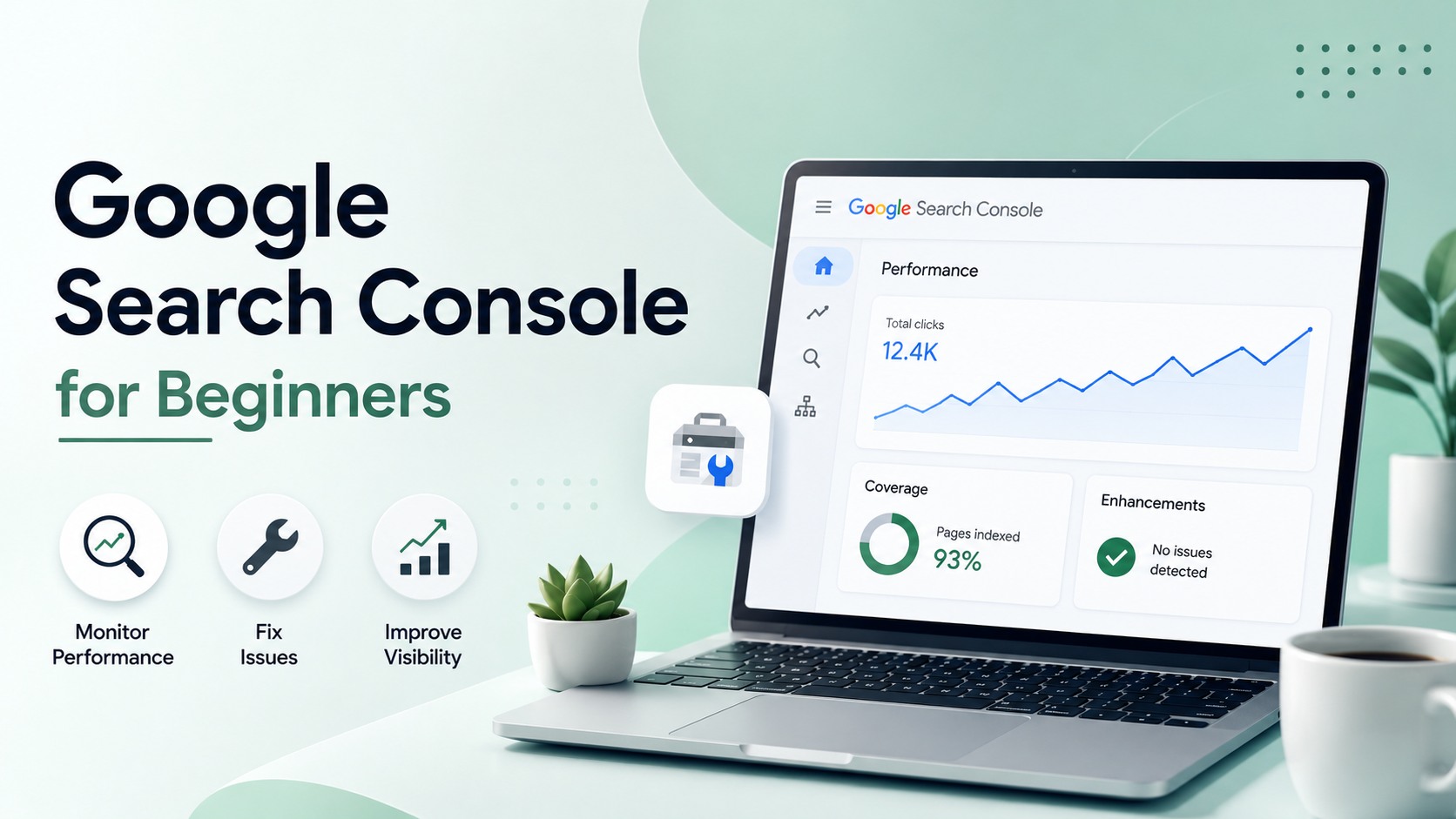
Google Search Console for beginners
Search Console is the free tool that tells you how Google actually sees your site. Here is how to set it up and use the reports that matter.
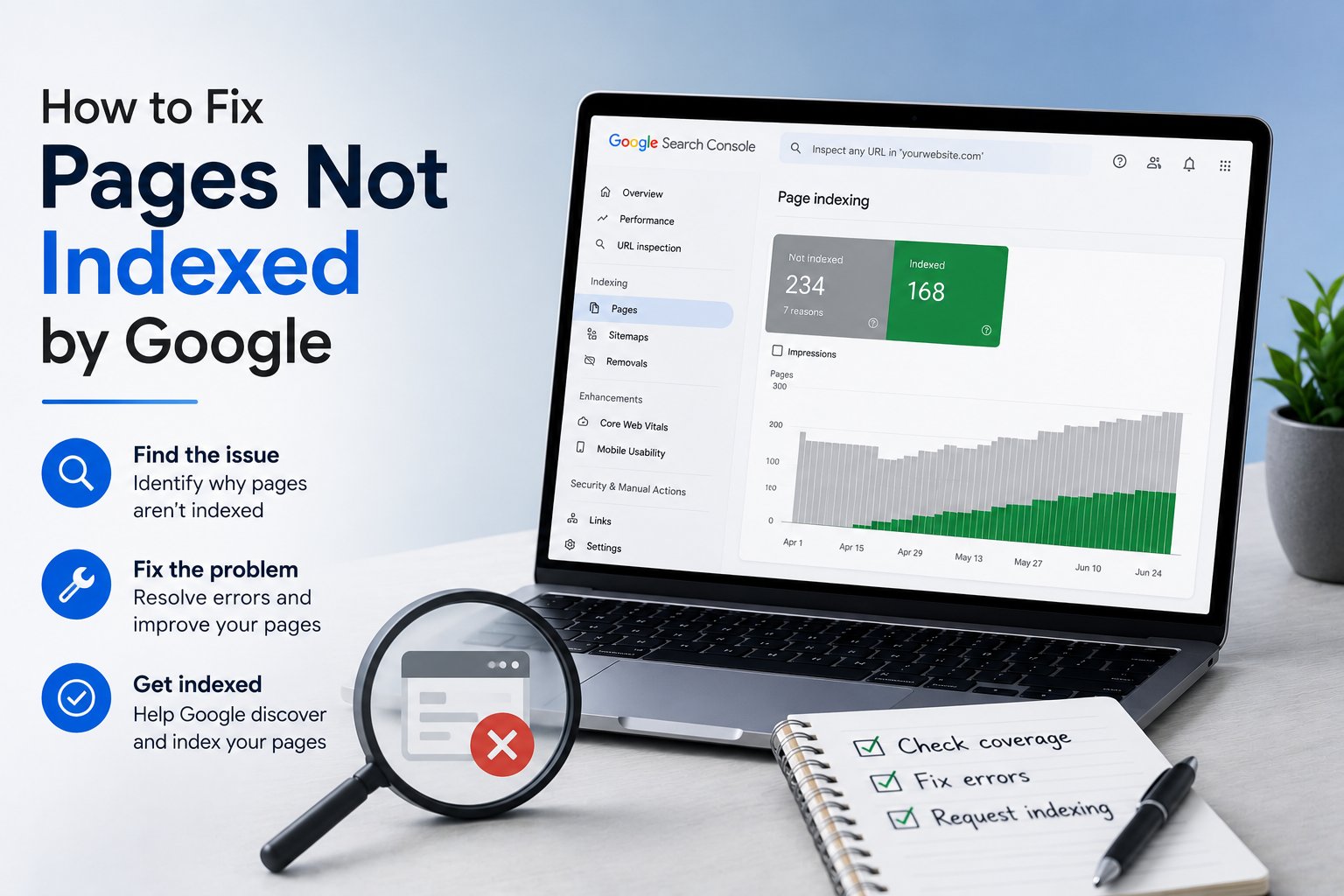
How to fix pages not indexed by Google
When a page will not show up in search, Google made a choice. Here are the real causes and the exact steps to get your pages indexed.
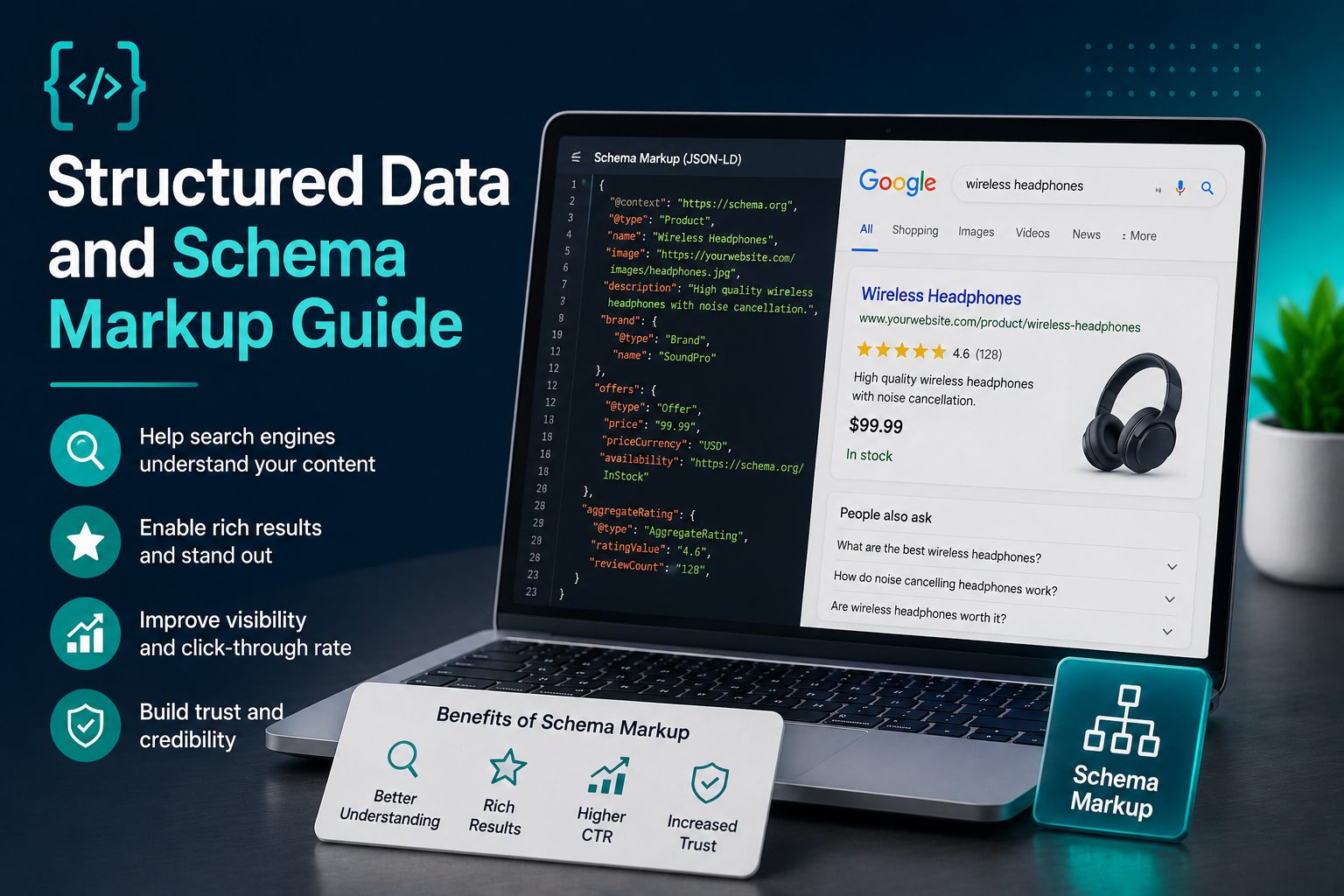
Structured data and schema markup guide
Schema markup labels your content so search engines understand it. Here is what to add, how to add it with JSON-LD, and how to test it works.

How to measure SEO ROI
Traffic is not money. Here is how to attribute revenue to organic search, run the ROI math honestly, and report results your boss will actually believe.
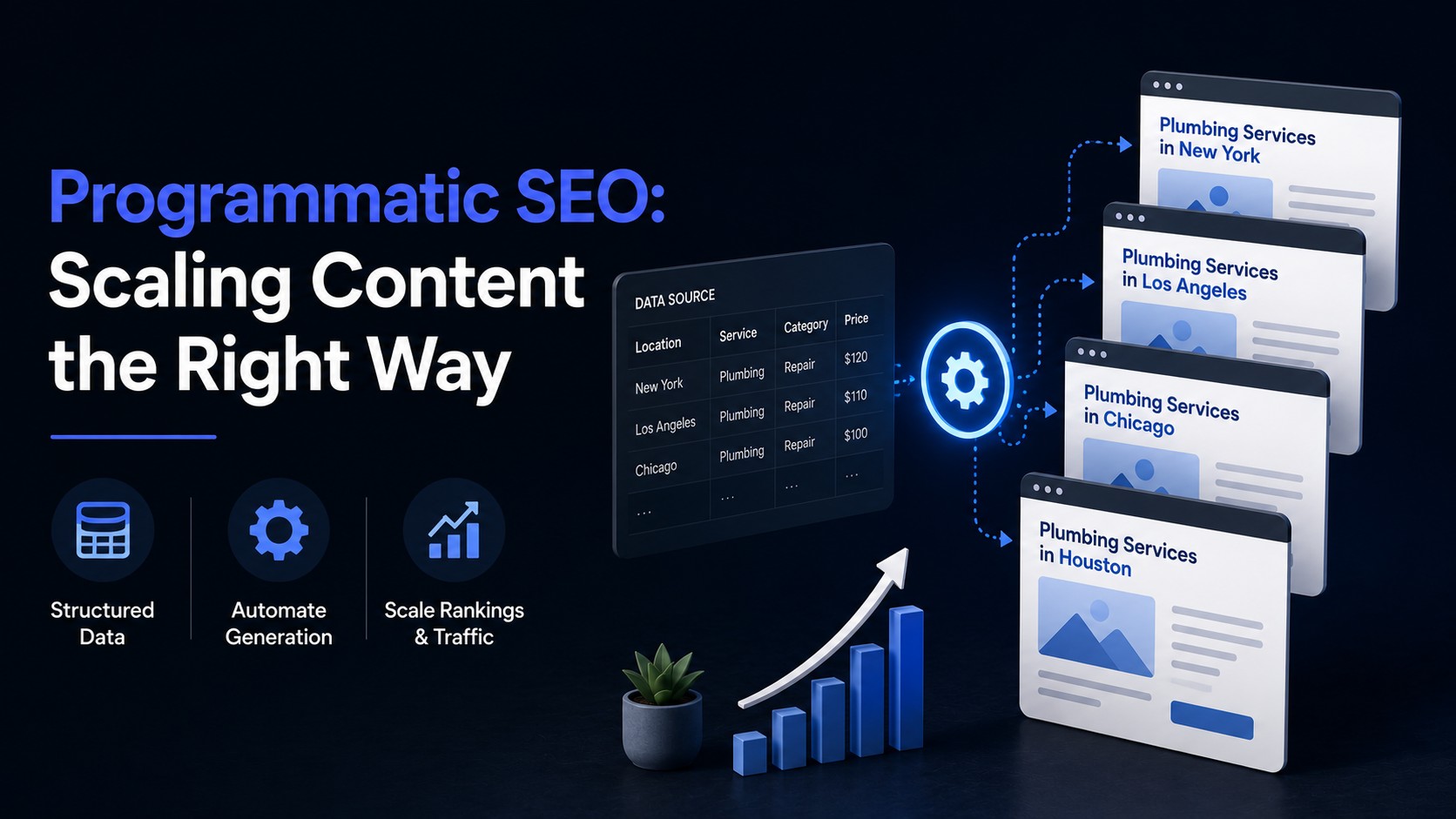
Programmatic SEO: scaling content the right way
Generate thousands of pages from a template and a dataset without burying your site in thin junk. Here is when programmatic SEO works and how to do it well.